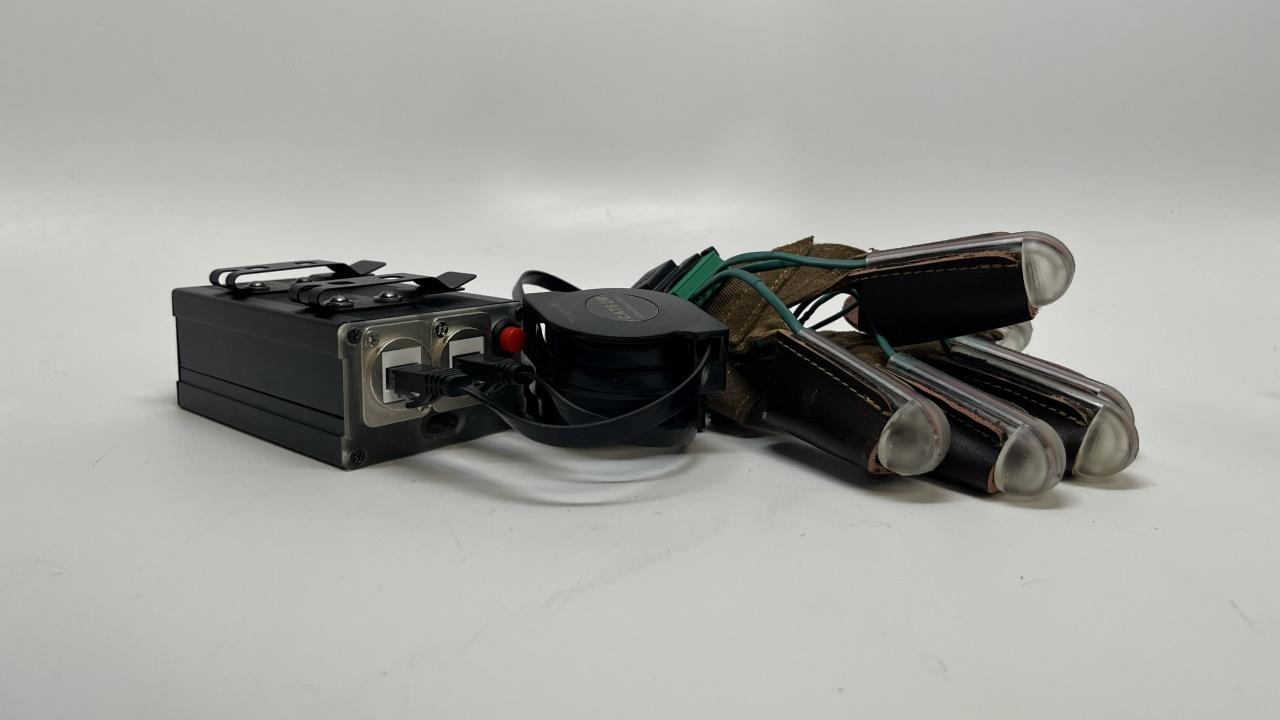
For Joseph Bartlett, a Mechanical Engineering Technology (MET) student at Purdue Polytechnic New Albany, his recent undergraduate research project was defined by a specific, personal client: his father.
Under the mentorship of associate professor Rustin Webster, Bartlett designed, built and tested a vibrotactile "treatment glove" system intended to help manage symptoms for individuals, like Bartlett's father, living with Parkinson's disease. While the project utilized advanced manufacturing techniques designed to make students industry ready, day one, the motivation was to bring a first-year student's persistence to a challenge affecting his family.
From concept to prototype
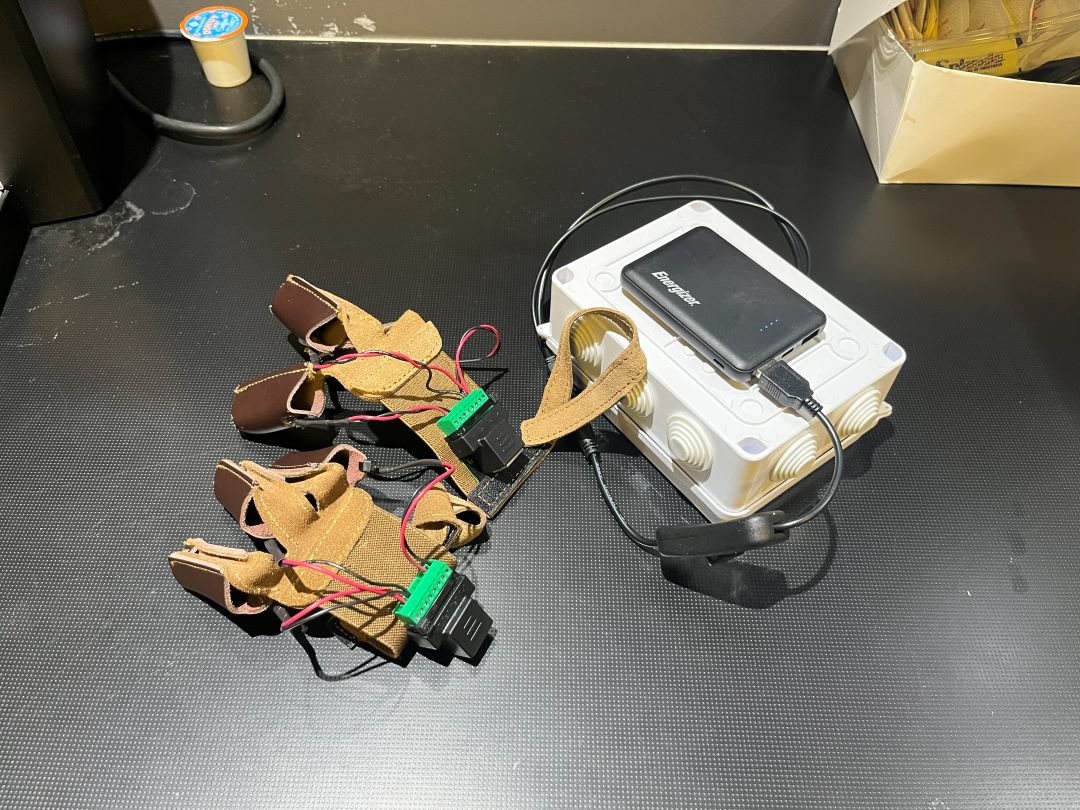
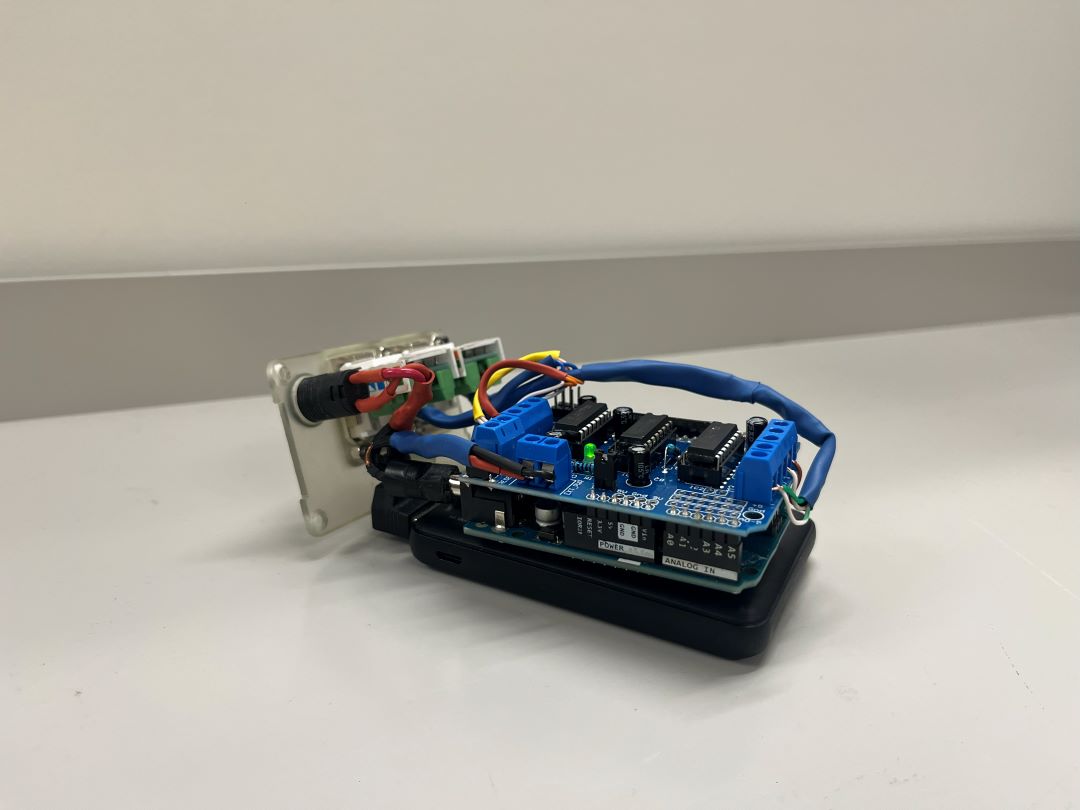
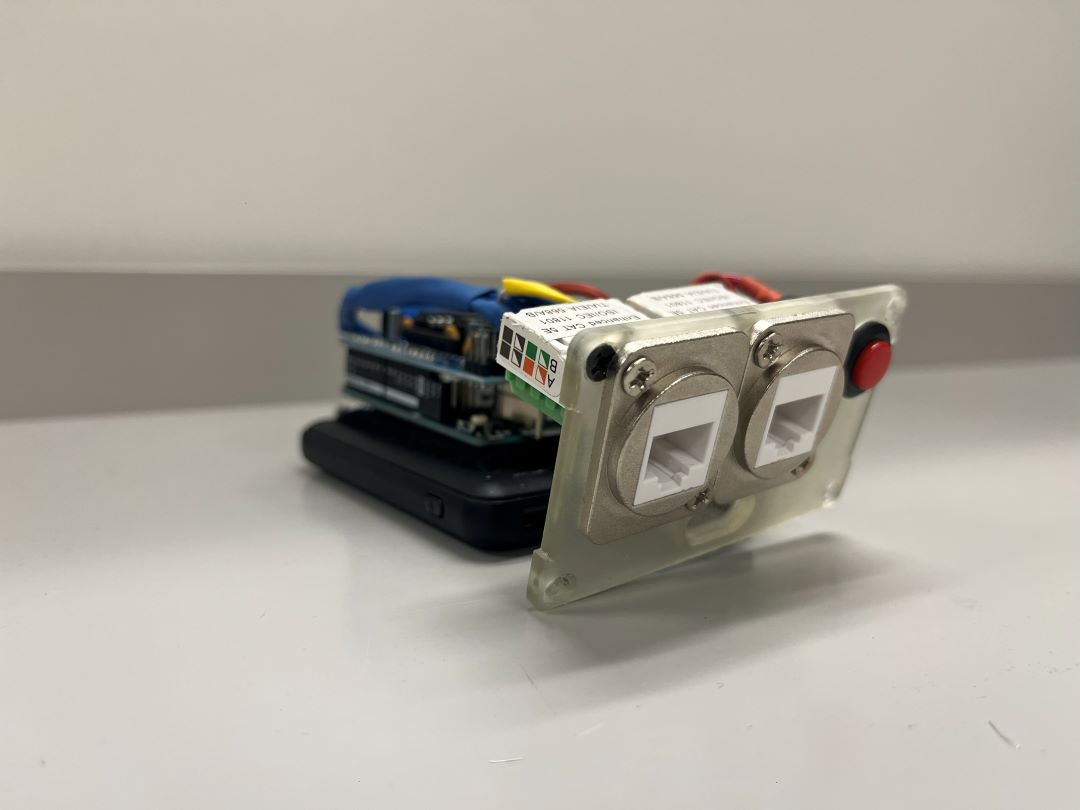
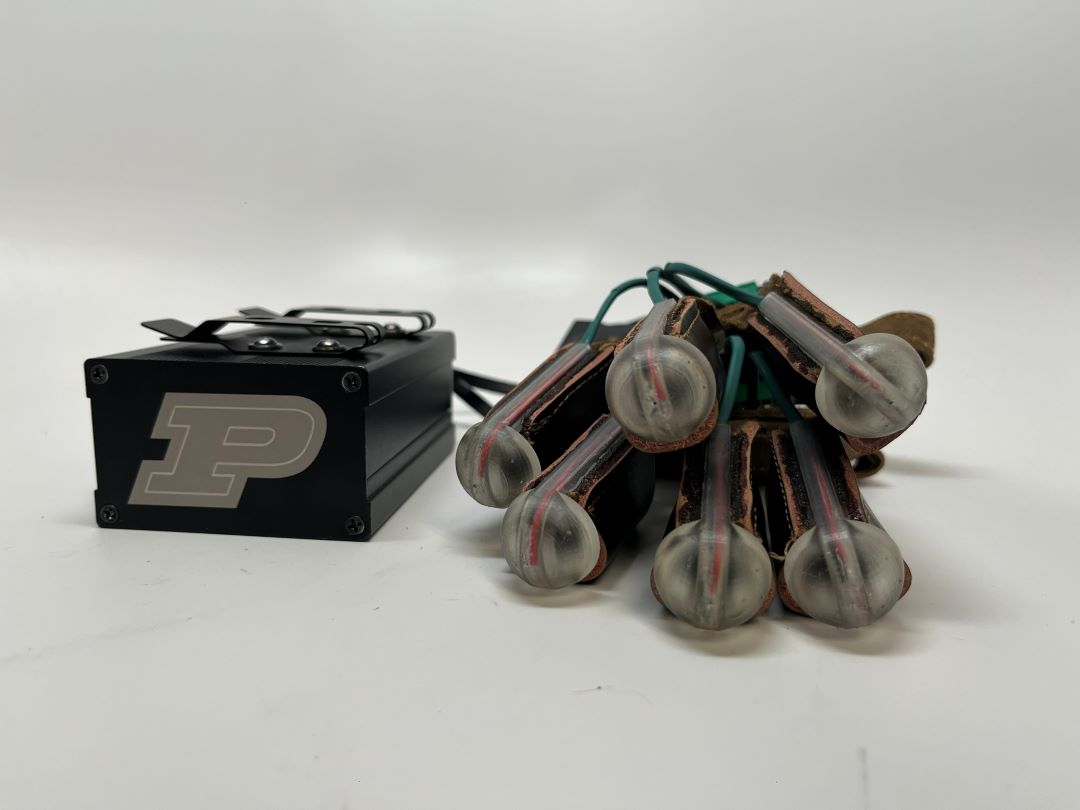
Bartlett began with an open-source treatment glove concept and translated it into a functional physical prototype. The system features vibration motors positioned at the fingertips of a glove, connected via wires to an Arduino-based controller housed in a portable enclosure.
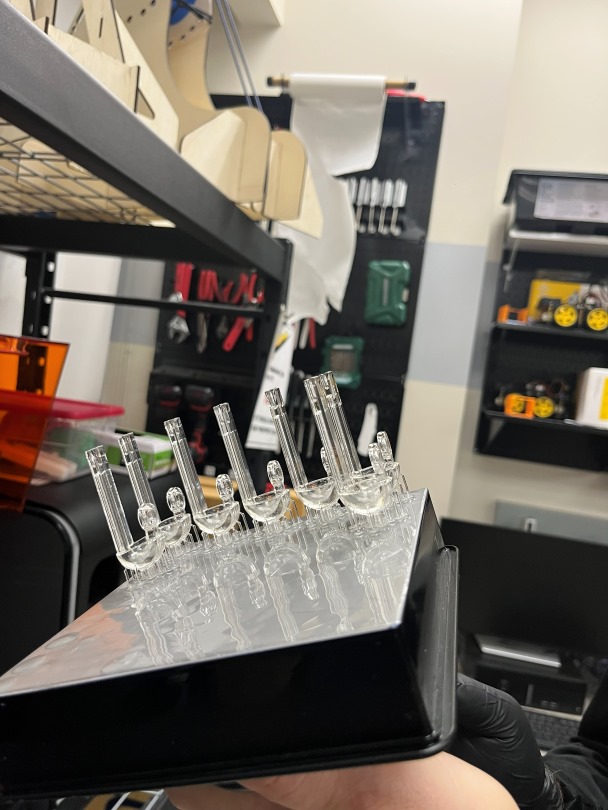
To build the device, Bartlett relied on the hands-on skills central to the MET curriculum, utilizing 3D computer-aided design (CAD) software and additive manufacturing to fabricate the custom components.
Real-world feedback
While many student projects rely on hypothetical user data, Bartlett conducted his testing in the real world. He utilized a standardized usability assessment and collected daily audio logs from his father to track how the device performed during everyday routines.
This direct feedback loop revealed practical design flaws that might have gone unnoticed in a laboratory setting. Bartlett discovered that the wiring was prone to loosening and the setup process was often frustrating for a user managing tremors. He also found that simple ergonomic factors, such as confusion over the glove's left-right orientation and general comfort during extended wear, were significant hurdles to daily use.
"It was deeply moving to watch Joseph take his father's daily recorded audio reflections, translate them into design decisions, and return each time with improvements," Webster said. "[He was] driven entirely by love, not grades."
Iterative design
Bartlett used the specific feedback to overhaul the design. He produced new 3D-printed glove inserts to ensure consistent finger placement over the vibration motors and redesigned the control unit to be smaller and more durable. He also focused on strengthening the reliability of the cables and wires to withstand daily wear and tear.
The second iteration showed a substantial improvement in usability scores and positive feedback from his father, validating the decision to prioritize user experience over simple functionality.
Looking ahead
Bartlett plans to continue refining the device. Future updates may include 3D scanning his father's fingertips for custom-fit inserts and utilizing flexible resin and stereolithography (SLA) printing to improve comfort.
Additional information