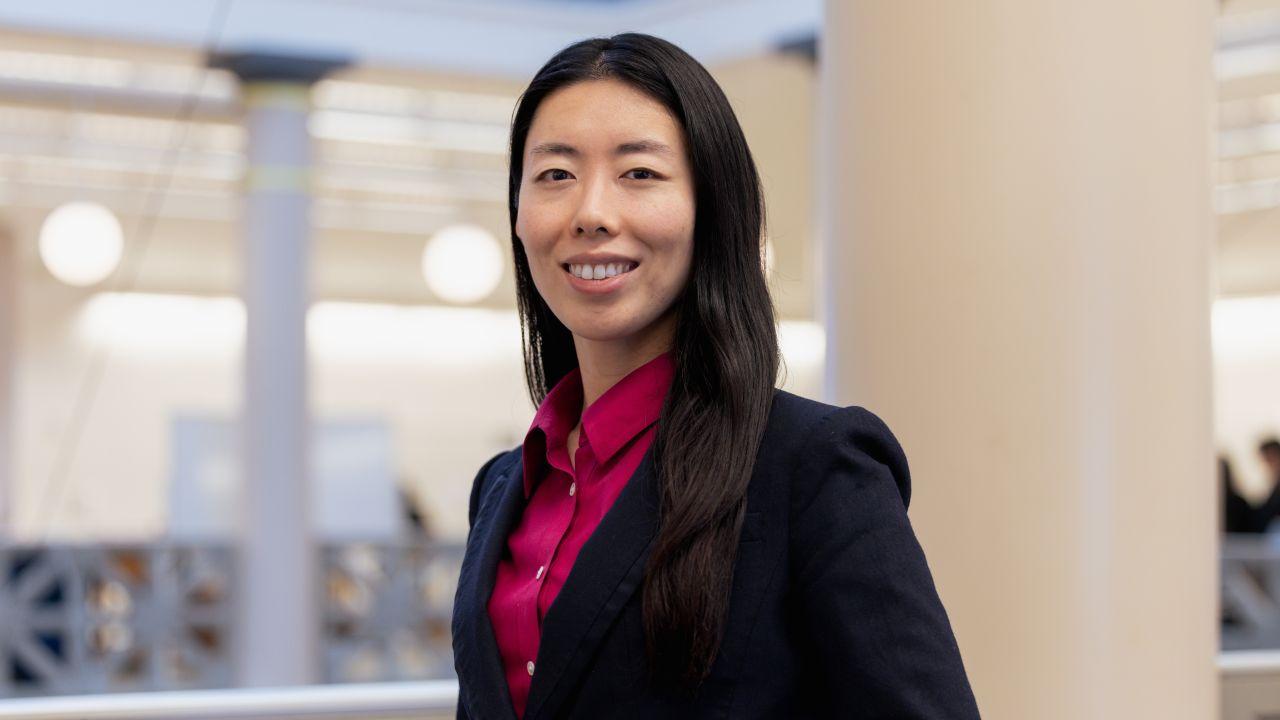
Chorong Park earned her doctoral degree in technology from Purdue Polytechnic in 2025, and she now serves as an assistant professor and Presidential Frontier Faculty member at the University of Houston. As director of Houston's ELARA Lab, she is pursuing an ambitious vision: Park's goal is to create robots that help people care for their health and remain conscious of their goals as they age.
Imagine reaching your 80s or 90s with the help of a robot that helps you keep doing what you love. It might encourage you to take a walk that you enjoy, help you reconnect with family or return to a familiar routine that makes the day feel meaningful. In Park's vision, it would adapt to the person's pace and preferences, and respect a simple "not now." The ambition is to make support for health and well-being more personal and accessible, with older adults deciding what help belongs in their lives.
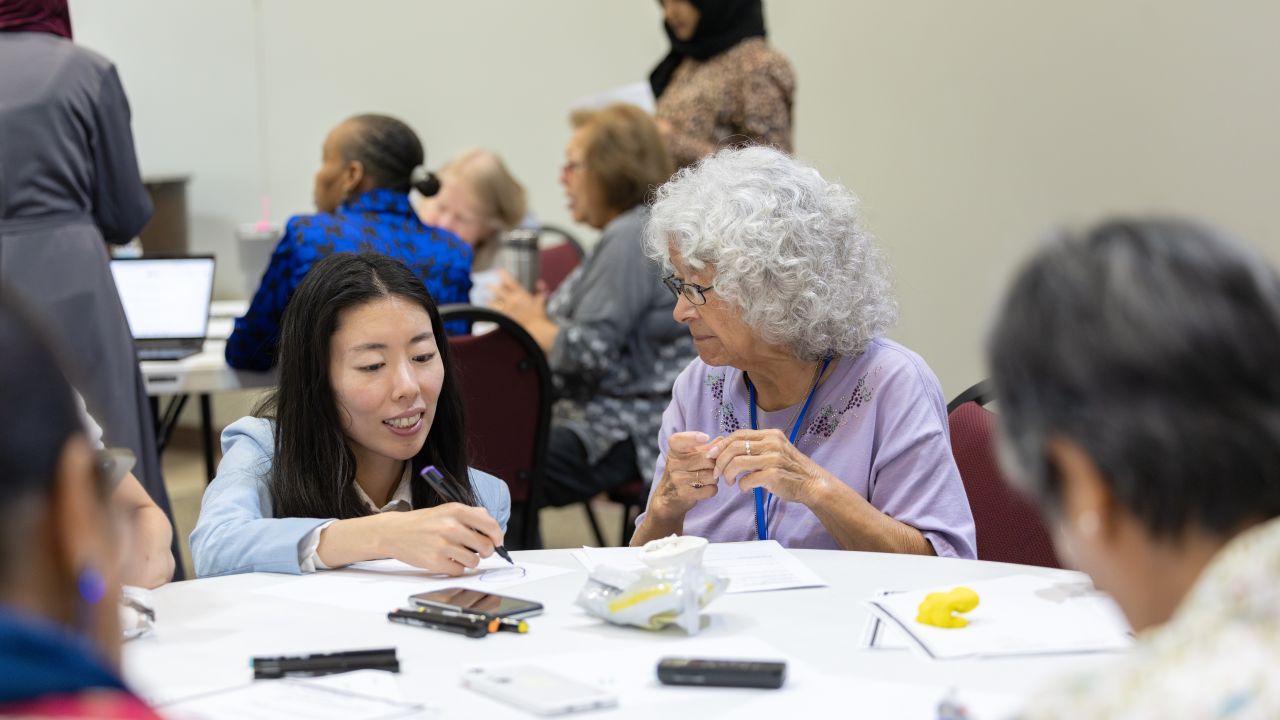
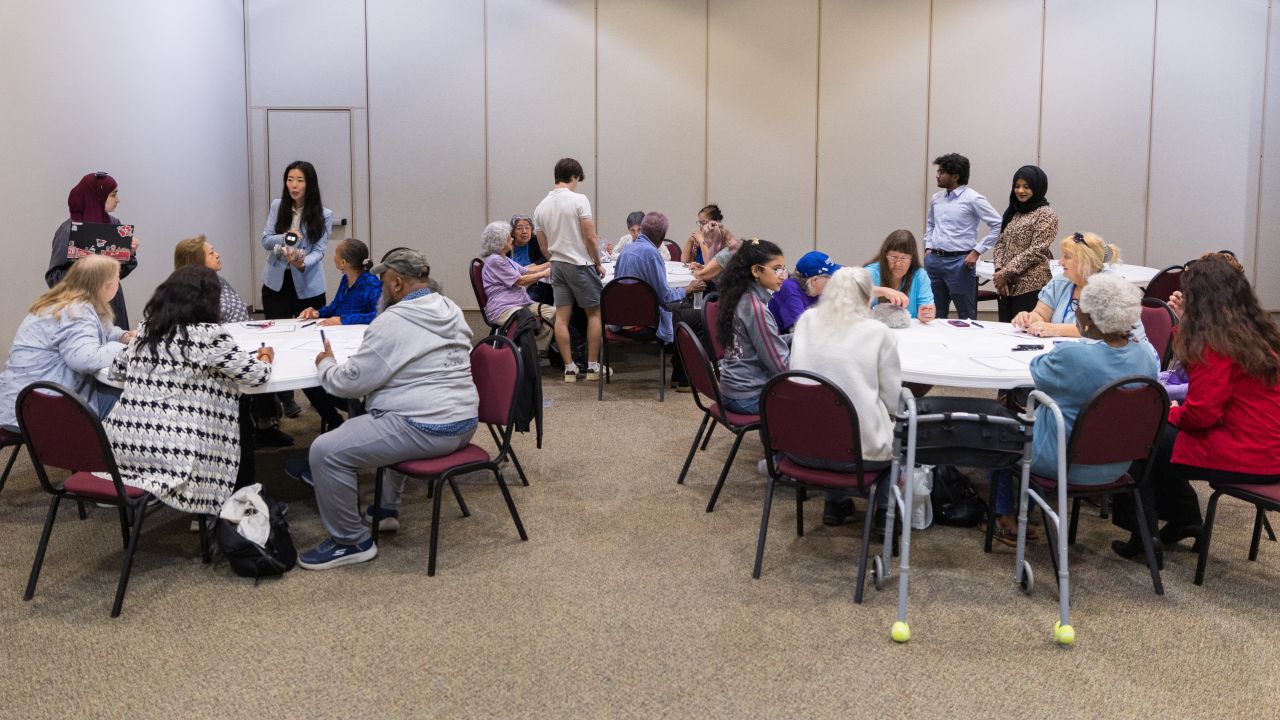
At the ELARA Lab, Park and her students study human-computer interaction and develop health-focused embodied AI: artificial intelligence that interacts with people through physical robots that use movement, voice and other forms of feedback. Park involves older adults directly in the design process so that their priorities help determine what these systems should do and how they should fit into everyday life.
That work also challenges technoageism: age-based assumptions built into the design and use of technology. A system can talk down to an older person, overlook their abilities or leave them struggling with choices they did not make. ELARA Lab's direction puts older adults' knowledge and authority at the center of the research, including their right to question, reshape or decline a robot's role.
Her current foundation in research started during her graduate studies at Purdue. Park minored in gerontology; because of this, she spent more than 500 hours providing technology support to older adults at the Tippecanoe Senior Center. Current Purdue Polytechnic students Ryan Jo, Joy Zhang, and Minjun Kim continue this volunteer work to this day.
"Those relationships showed me how design decisions affect confidence, independence and connection for many older adults," Park said. "They also shaped my commitment to involving older adults directly in defining what technology should do for them."
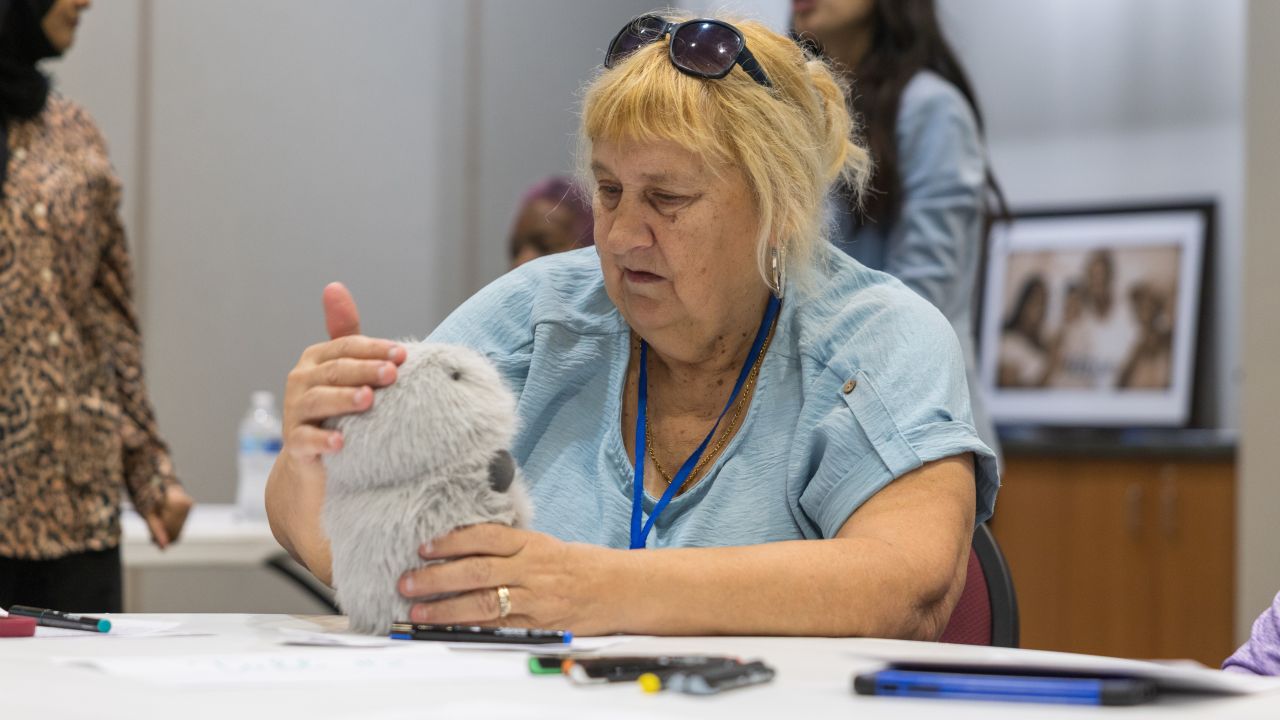
Park's research focus was shaped by her great working relationships with many Purdue Polytechnic faculty members. She researched disability and accessible technology with Rua Williams. She studied human-robot interaction with Anastasia Ostrowski and Sooyeon Jeong. She explored virtual and augmented reality with Christos Mousas. She also studied human factors and gerontechnology (a field that examines how health and wellness can be bolstered during the aging process through technology) with Brandon Pitts. She currently maintains active research collaborations with Purdue faculty through the ELARA Lab.
"We are learning that emotional connection, usability and control need to be considered together," Park said. "Older adults can feel affection toward a companion robot while [still] struggling to hear its voice, understand its responses or recover when something goes wrong." Her lab uses this feedback-especially negative user experiences, which often indicate the greatest areas for change-to guide more accessible robot communication and decisions about privacy and user control.
Park was recently featured by Texas television stations KHOU 11, KENS 5, and CBS19 for the ELARA Lab and her work. Park and her research assistants are currently using existing commercial companion robots like Moflin, Qobo, Loona, and Emo to test user responses. The team gathers feedback from older adults regarding which robot features build trust and which cause confusion.
Park is also bringing these questions to caregiving communities. She is scheduled to speak on the “Technology & AI for Caregiving” panel at AARP's Men Who Care conference in Houston on November 7, 2026. Her contribution will explore how AI and companion robots might encourage healthy routines and shared caregiving while protecting privacy, choice and dignity.
Park is also developing a Stanford-connected collaboration exploring how caregivers' everyday experiences and care activities can inform machine learning systems. The work considers how to collect useful care data while addressing consent and privacy for caregivers and the people receiving care.
With Stanford collaborator Teresa Nguyen, Park is developing a study using Pupper to identify the robot personalities and voices older adults find most appealing and comfortable. The team plans to explore how choosing or helping shape those characteristics affects bonding, the role people assign the robot and their interest in having it at home.
A related collaboration with Michelle Wang explores an outdoor walking companion using a wheeled Unitree robot. Proposed features include accompanying older adults at their preferred pace, offering route guidance and clear warnings about obstacles or uneven surfaces, and providing encouragement to walk and stay active. The aim is to support healthy behavior through an interaction people can understand, personalize and control.
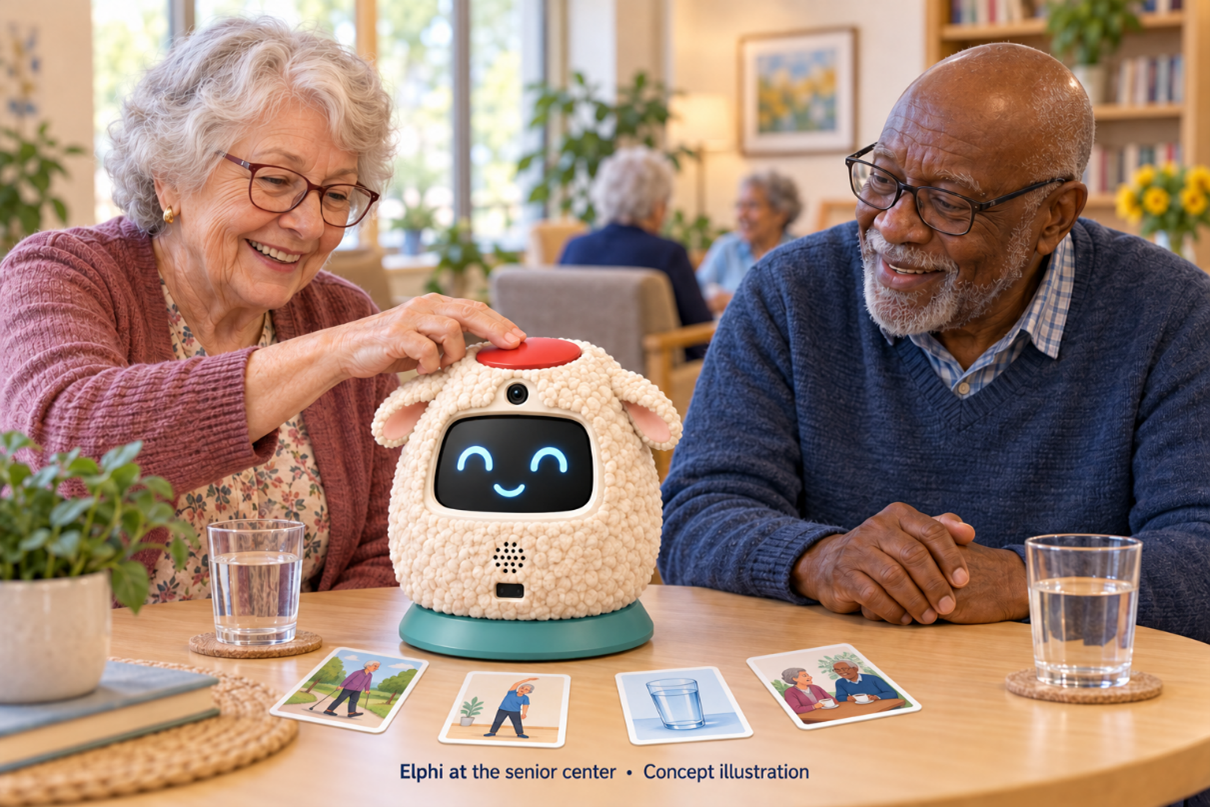
AI-generated concept illustration of Elphi in a senior-center setting.
The robot and its healthy-routine interactions are under development.
The larger goal reaches beyond any single robot. Park envisions embodied AI that helps people remain active participants in their own health and communities as their needs change. Achieving that future will require evidence that robots are useful in daily life, along with designs that people can understand and control. Her ambition is for advances in AI to expand what people can do and choose throughout later life.
Park encourages current Purdue Polytechnic students to learn how to actively listen, alongside building their technical skills. She believes that great researchers are experts, but they also know how to "listen, observe and ask thoughtful questions."
"Ask who benefits, who makes decisions and who provides support when something fails. Work across disciplines and let people's experiences challenge your assumptions. That is often where the most meaningful research questions begin."
Additional information