A $417,197 grant from the Don Wood Foundation will help Purdue Polytechnic bring hands-on science, technology, engineering, arts and mathematics (STEAM) education to as many as 5,000 Indiana middle and high school students, preparing them to explore careers in advanced manufacturing.
The funding will support Purdue's Teachers and Researchers Advancing Integrated Lessons in STEM (TRAILS) program, led by Todd Kelley, professor in the Department of Technology Leadership and Innovation at Purdue Polytechnic Institute. Over the next three years, the program will provide professional development for up to 45 teachers, with an emphasis on northeast Indiana.
The award also marks a return to Indiana for TRAILS, which began at Purdue in 2016 with support from the National Science Foundation (NSF) before expanding to schools in several other states and U.S. territories.
“This program is critical to helping students learn advanced manufacturing and next-generation workforce skills,” Kelley said. “With support from the Don Wood Foundation, we hope to inspire more students to pursue careers in STEAM, particularly advanced manufacturing.”
“Creating meaningful connections between the classroom, hands-on STEAM learning, and the advanced manufacturing workplace is central to the Don Wood Foundation's mission,” said Laura Macknick, president and CEO, Don Wood Foundation.
Connecting classroom learning with manufacturing
Through TRAILS, middle and high school science and engineering technology teachers will participate in summer professional development at Grace College in Winona Lake, Indiana. Each year, up to 15 teachers will learn to incorporate manufacturing technologies and engineering design into their classrooms.
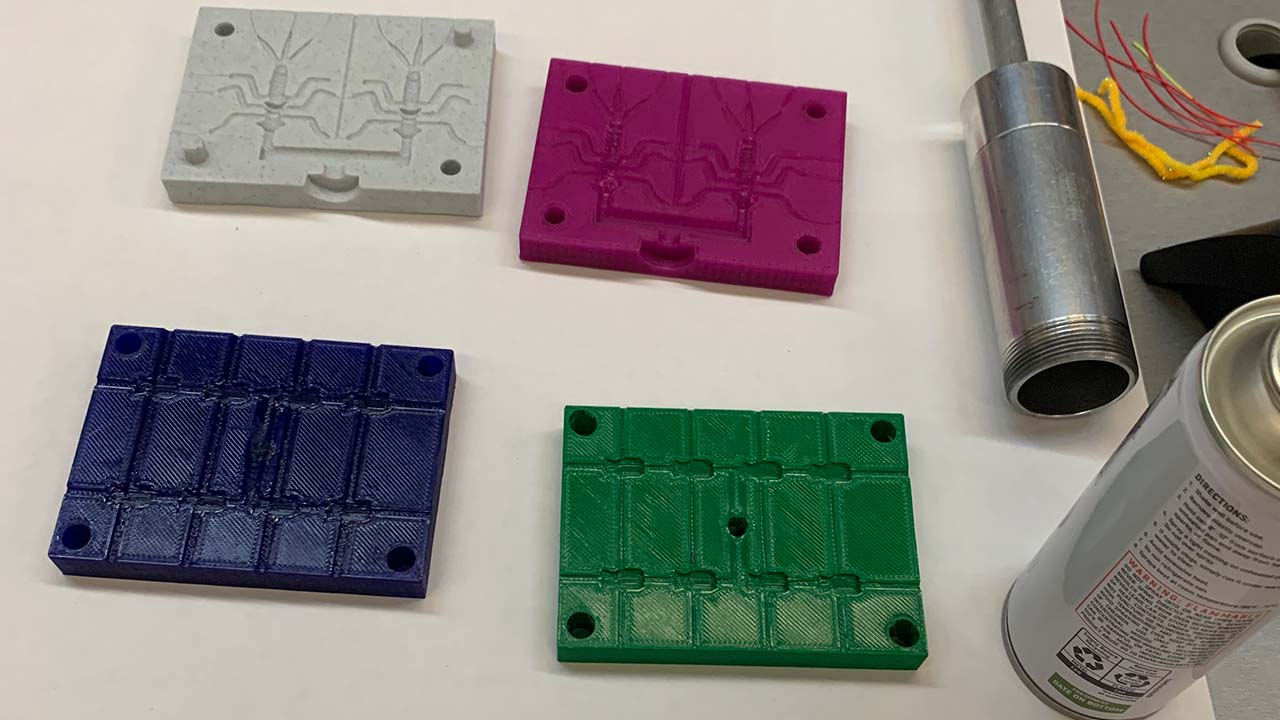
Participants will receive training in computer-aided design (CAD), 3D printing, computer numerical control (CNC) machining and environmental science. They'll also have access to curriculum resources, industry experts and a network of educators who can support them as they bring these concepts into their classrooms.
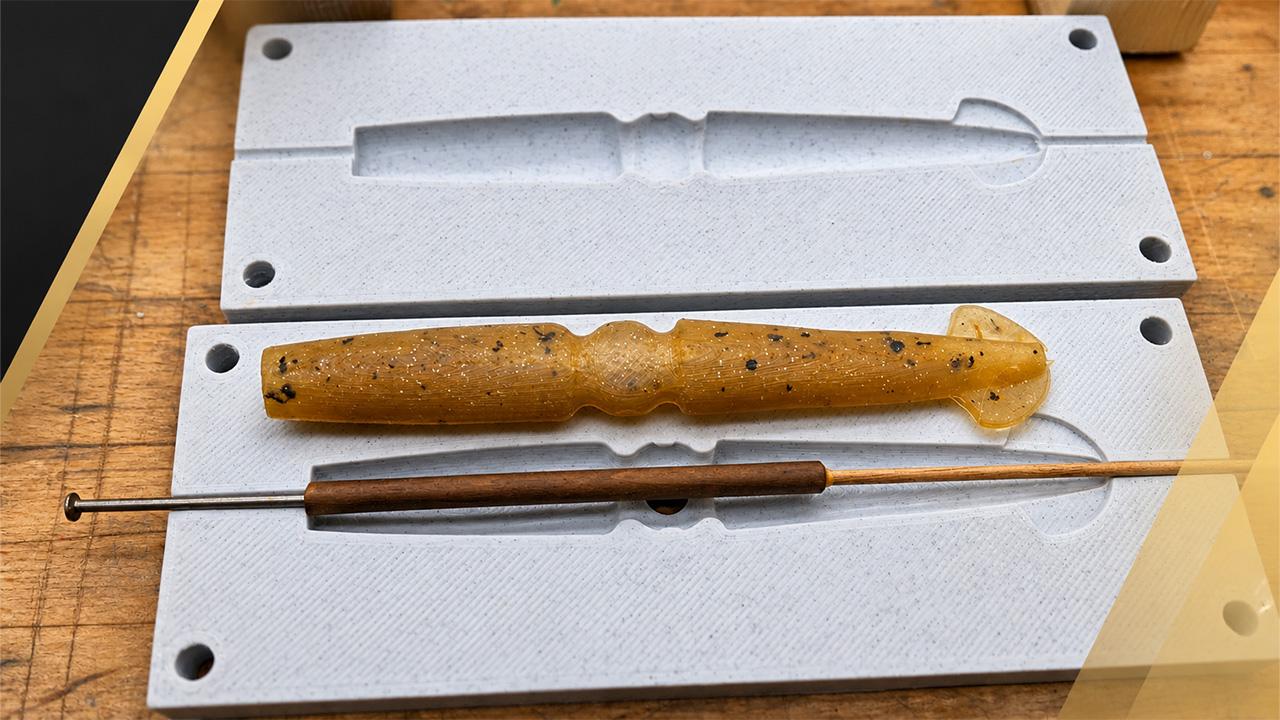
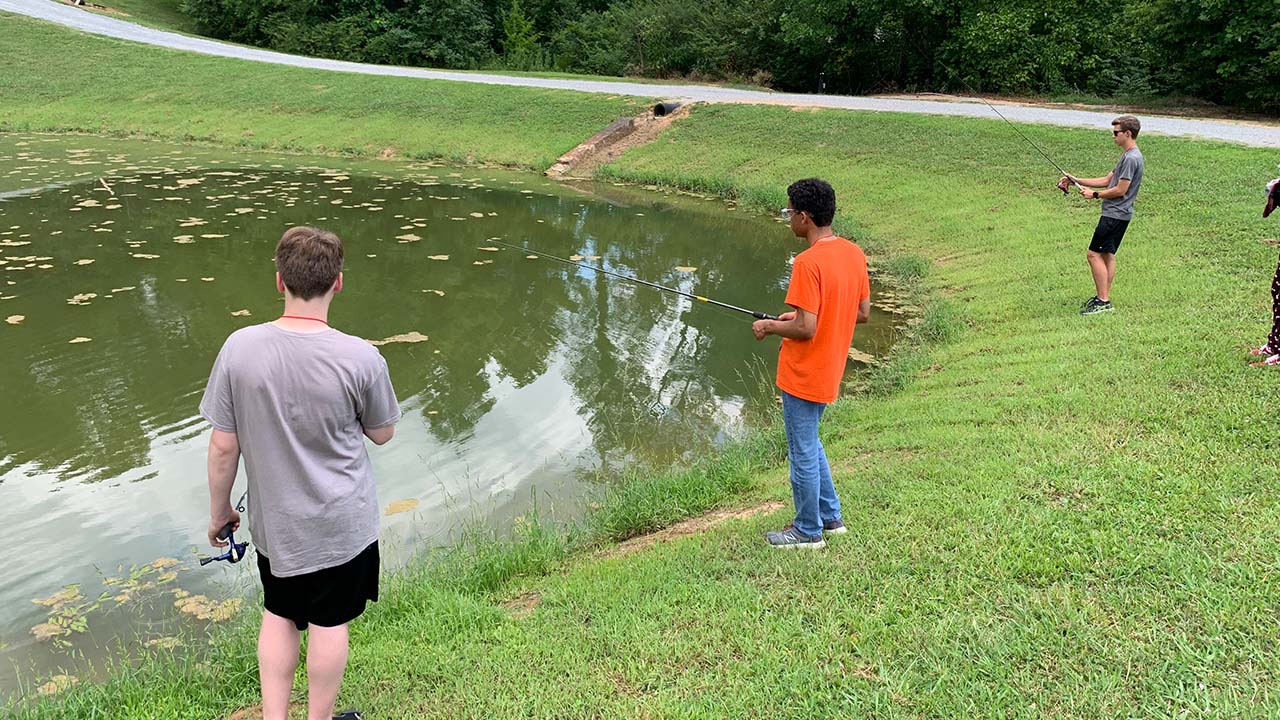
The program uses fishing lure design to teach students about biomimicry, which involves applying ideas from nature to solve engineering problems. The project also connects to northern Indiana's manufacturing history, including the former Creek Chub Bait Company and South Bend Lures.
Working in teams across STEAM disciplines, students will research, design, build and test prototypes while developing problem-solving, communication and collaboration skills.
Building on a history of STEM education
Since its launch, TRAILS has received more than $3 million in NSF support and expanded to reach educators in Maryland, Delaware, Colorado, New Mexico, Kansas, Hawaii and American Samoa.
Previous research conducted through TRAILS has demonstrated improvements in teachers' confidence in delivering integrated STEM instruction, students' STEM knowledge and awareness of STEM careers.
The Don Wood Foundation grant will build on that work with support from Jung Han, visiting assistant professor in Purdue Polytechnic's Department of Technology Leadership and Innovation, and partners at Grace College and Learning Undefeated. The latter will develop three career-profile videos highlighting advanced manufacturing opportunities.
Warsaw High School, Warsaw Career Center and Oak Hill Schools have already provided letters of support, with additional Indiana schools expected to be recruited.
For Kelley, the grant offers an opportunity to bring TRAILS back to Indiana classrooms after several years of working with educators across the country. He hopes the program will introduce more Hoosier students to advanced manufacturing and inspire them to consider careers in the field.