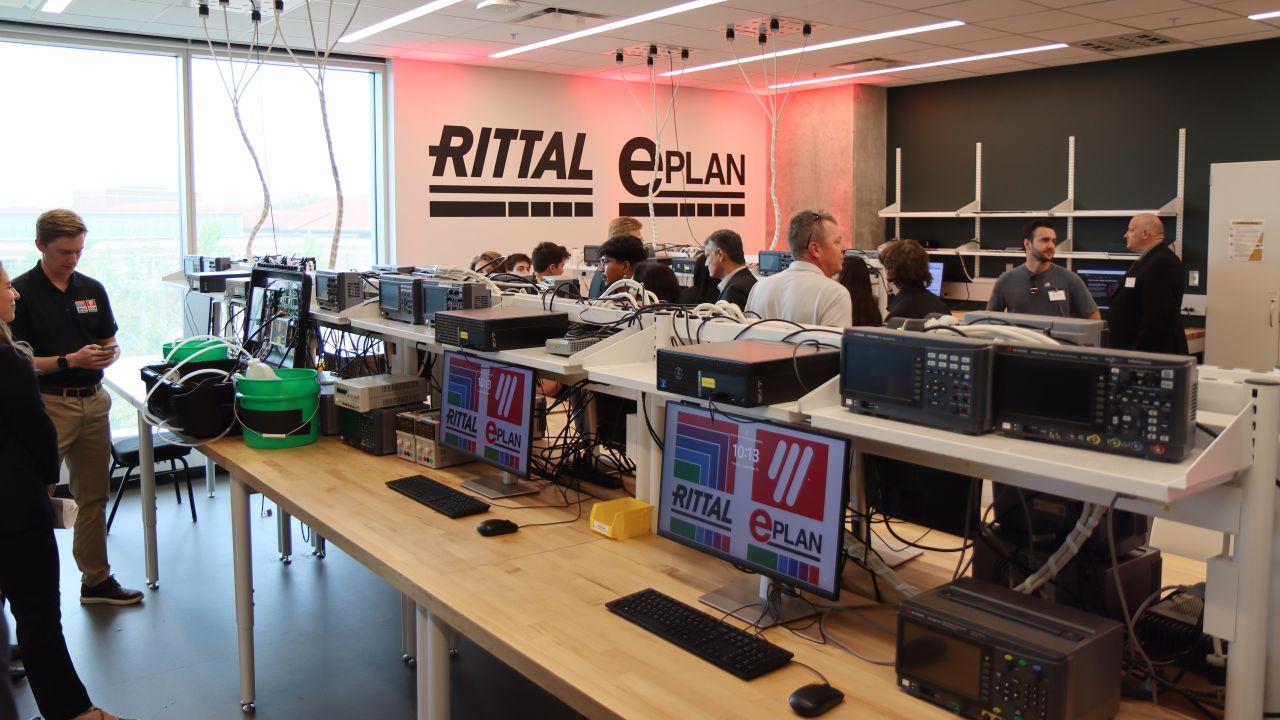
Purdue Polytechnic and two new industry partners celebrated the opening of two learning laboratories in Dudley Hall on September 15. The event marked the launch of a five-year strategic partnership with industrial and automation engineering sister companies Rittal and Eplan.
The newly dedicated spaces include the Eplan Electrical Engineering Technology Projects Lab and the Rittal Technology Manufacturing Lab. The facilities occupy room 5117 in the Engineering and Polytechnic Gateway Complex.
The partnership supports the School of Engineering Technology's broader vision for intelligent manufacturing and industrial systems by bringing together electrical, mechanical, manufacturing, automation and digital technologies in an application-focused environment. The school's focus is on demonstrating how individual technologies are designed, integrated and deployed as part of complete industrial systems.
The Eplan lab provides students with software for computer-aided engineering and electrical design, while the Rittal lab gives students practical training with physical infrastructure, including industrial enclosures, power distribution systems, and automation hardware. Daniel Castro, dean of Purdue Polytechnic, delivered opening remarks at the ribbon-cutting ceremony. He highlighted the grassroots origin of the collaboration. Grant Richards, a professor in the School of Engineering Technology, initially connected with Rittal and Eplan representatives at an international industry expo. Castro traveled to Germany in July 2025 to formally confirm the partnership.
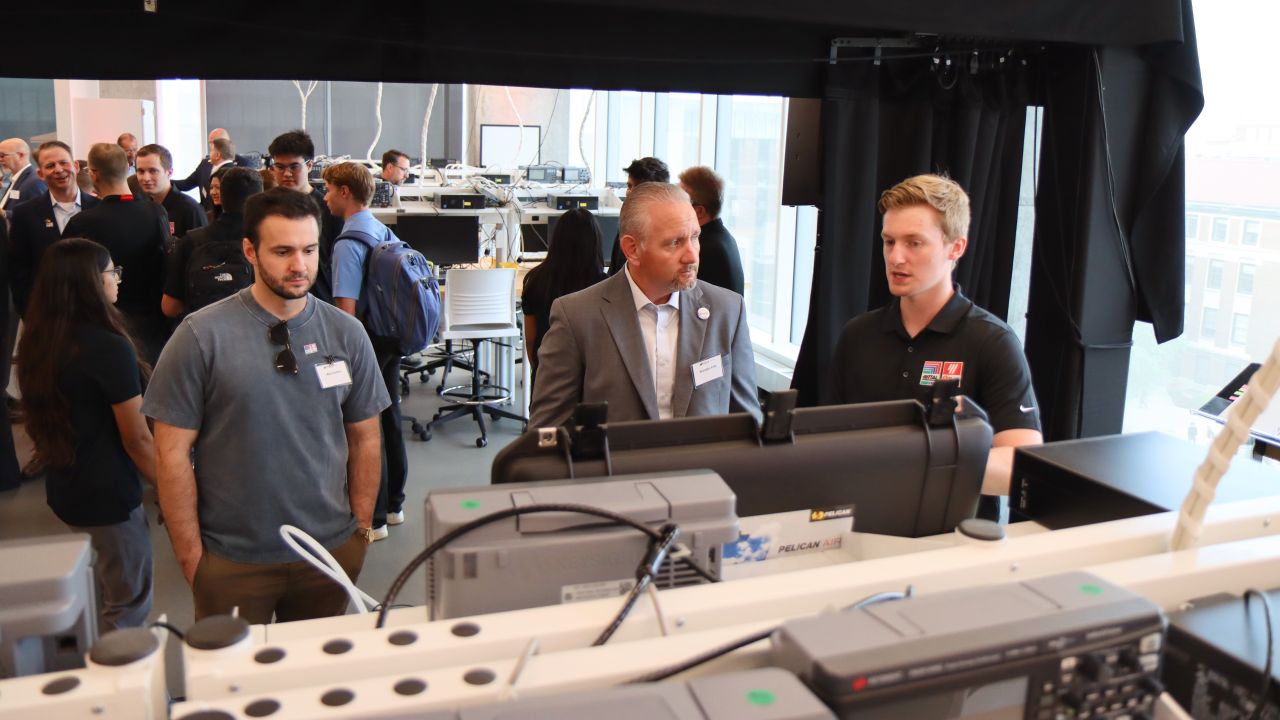
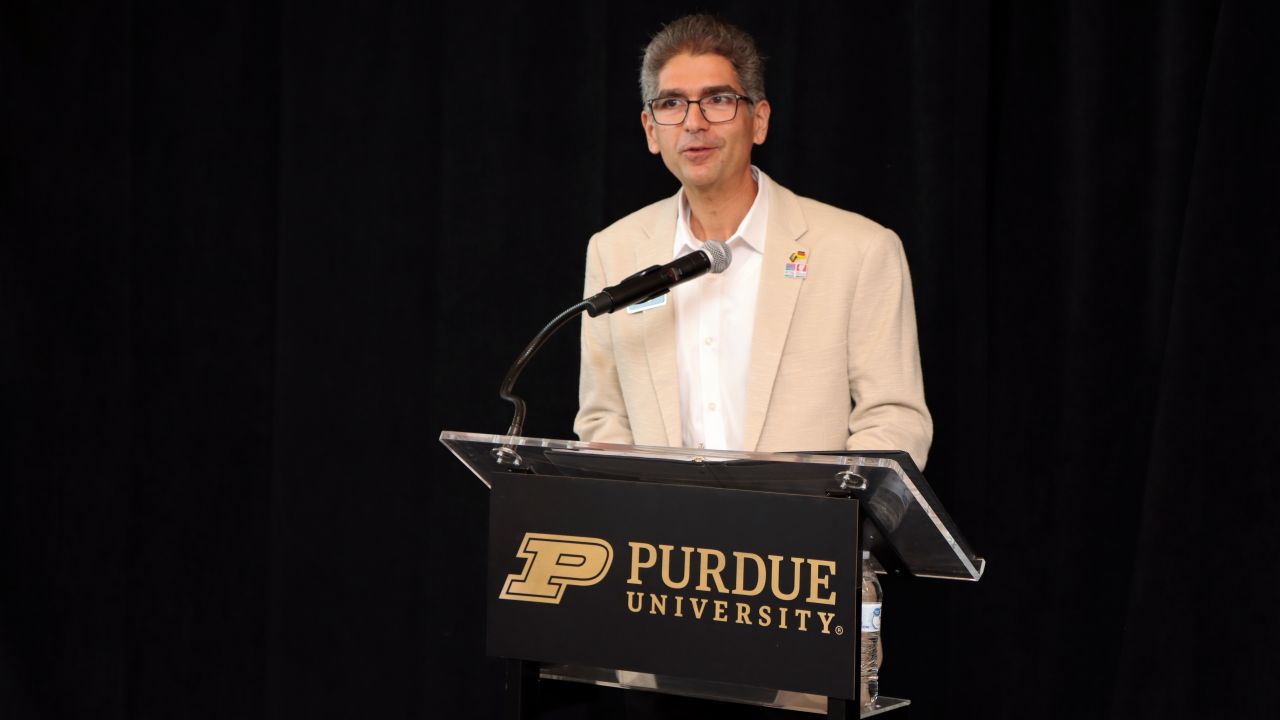
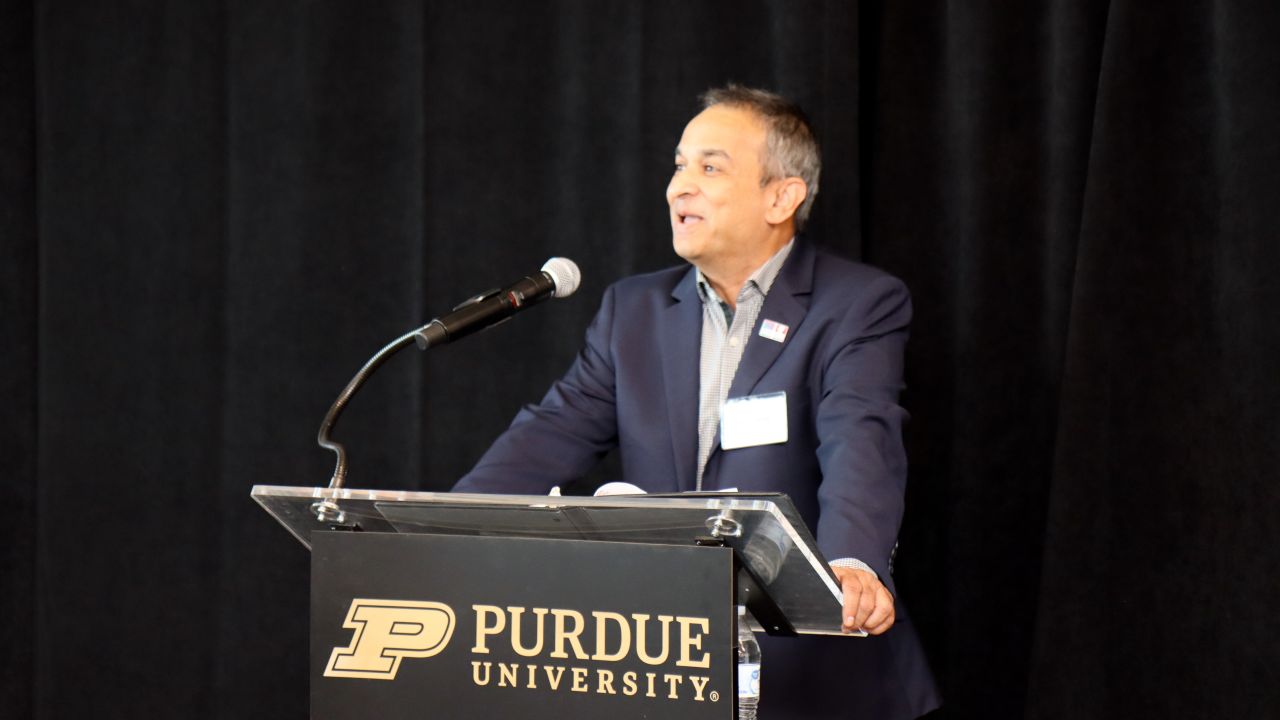

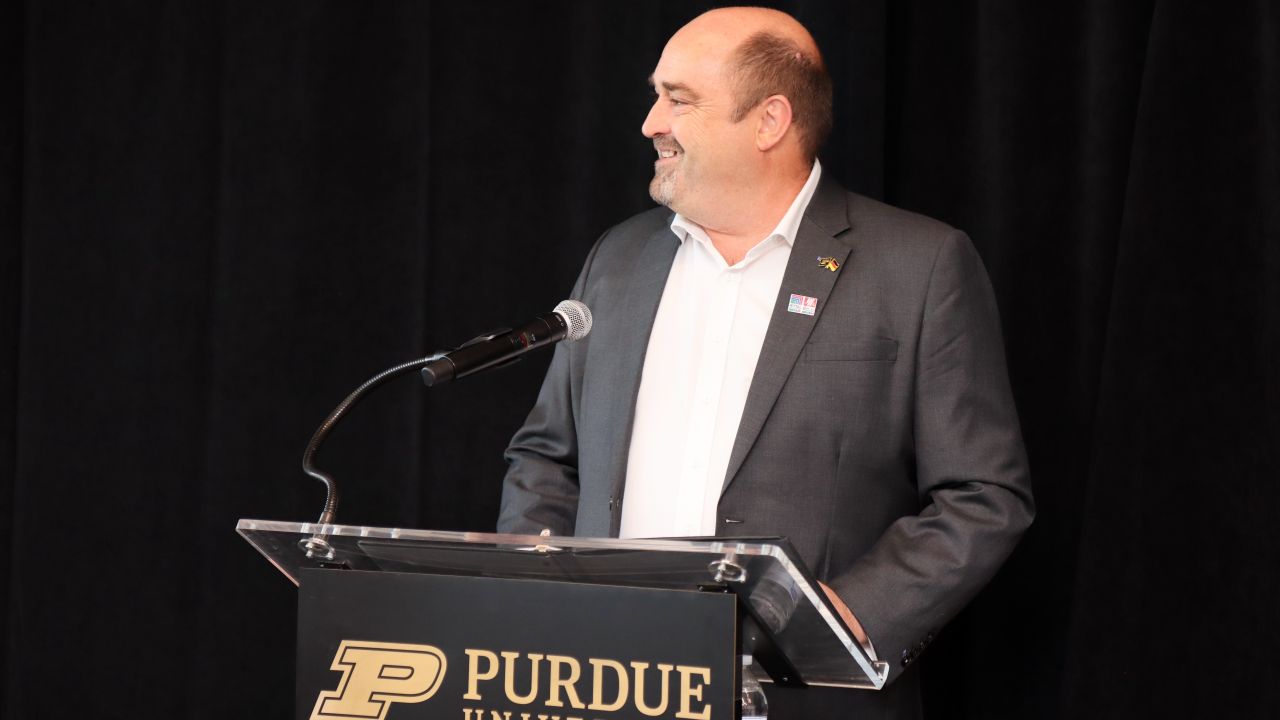
"Our three organizations bring distinct, complementary strengths to this initiative," Castro said. "These new labs bring those three pieces together. It gives our students and faculty access to a fully integrated system. It reflects exactly how engineering, technology, and manufacturing operate in the real world."
Rami Ghannam, head of the School of Engineering Technology, also addressed the attendees. He emphasized the curriculum's focus on bridging digital design with physical execution.
"Modern manufacturing is increasingly about integration," Ghannam said. "Students will be able to see the connection between the digital and physical worlds. That reflects the way we want our students to learn at the School of Engineering Technology: Design. Integrate. Deploy."
Representatives from Germany's Friedhelm Loh Group attended the dedication. This manufacturing and services company also owns both Rittal and Eplan. Sebastian Seitz, chief executive officer of Eplan, discussed the corporate investment in American manufacturing education.
"Industry is changing rapidly, and the next generation of engineers need more than an understanding of individual technologies," Seitz said. "Giving students the opportunity to learn in an environment that reflects the realities of modern industry will help them enter the workforce ready to contribute, innovate and lead."
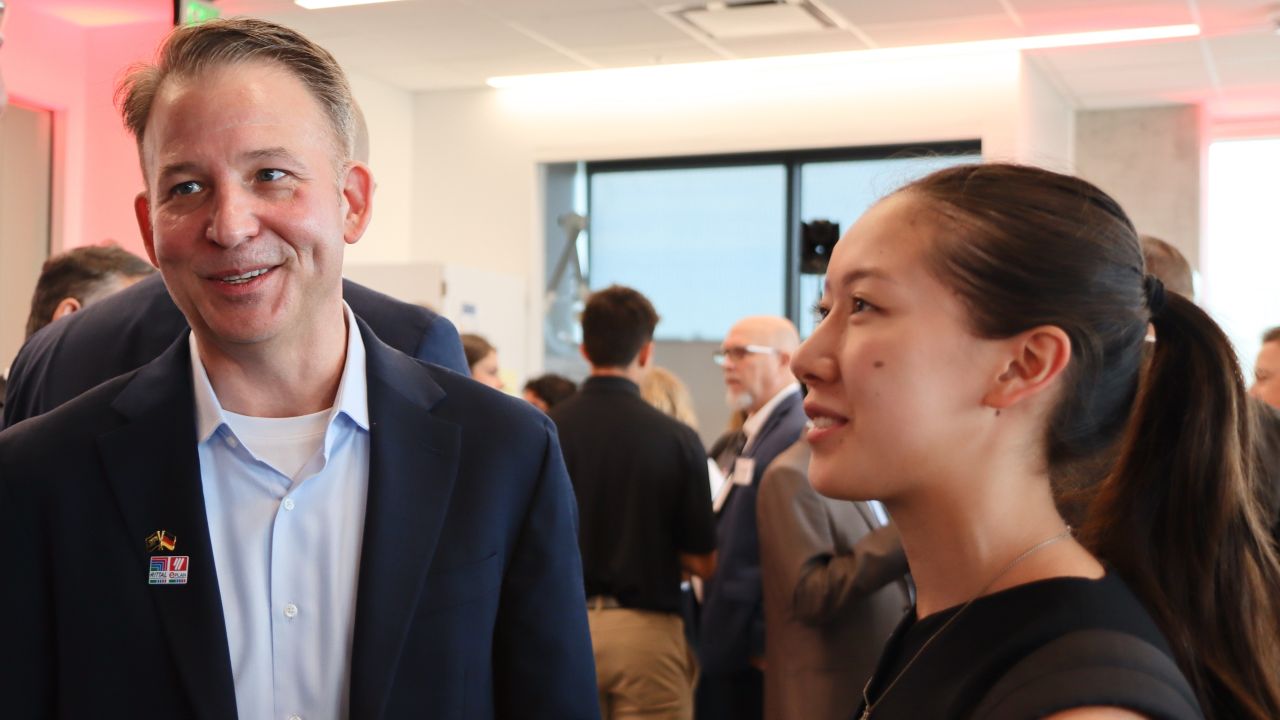
Udayan Senapati serves as chief executive officer of Rittal North America. He oversees company operations across the United States, Canada, and Mexico. Senapati highlighted the strategic value of the long-term partnership with Purdue.
"We must strengthen the future manufacturing workforce," Senapati said. "This collaboration develops industry-ready engineering talent. Students will learn to connect digital engineering directly with physical manufacturing inside these laboratories."
Purdue serves as the primary academic partner in the United States for the Rittal and Eplan Partner Network. The collaboration will expand to include scholarships, internships, workforce development opportunities, and other joint initiatives.
Additional information