EXPLORE
PURDUE POLYTECHNIC
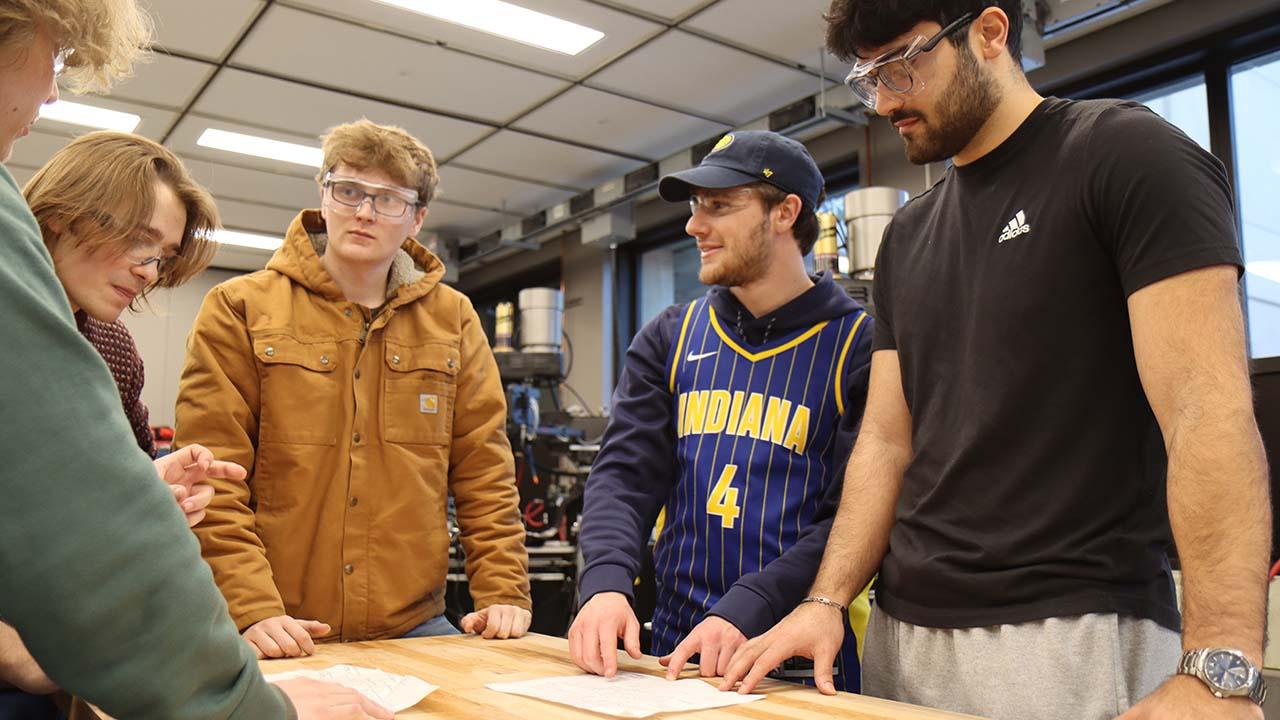
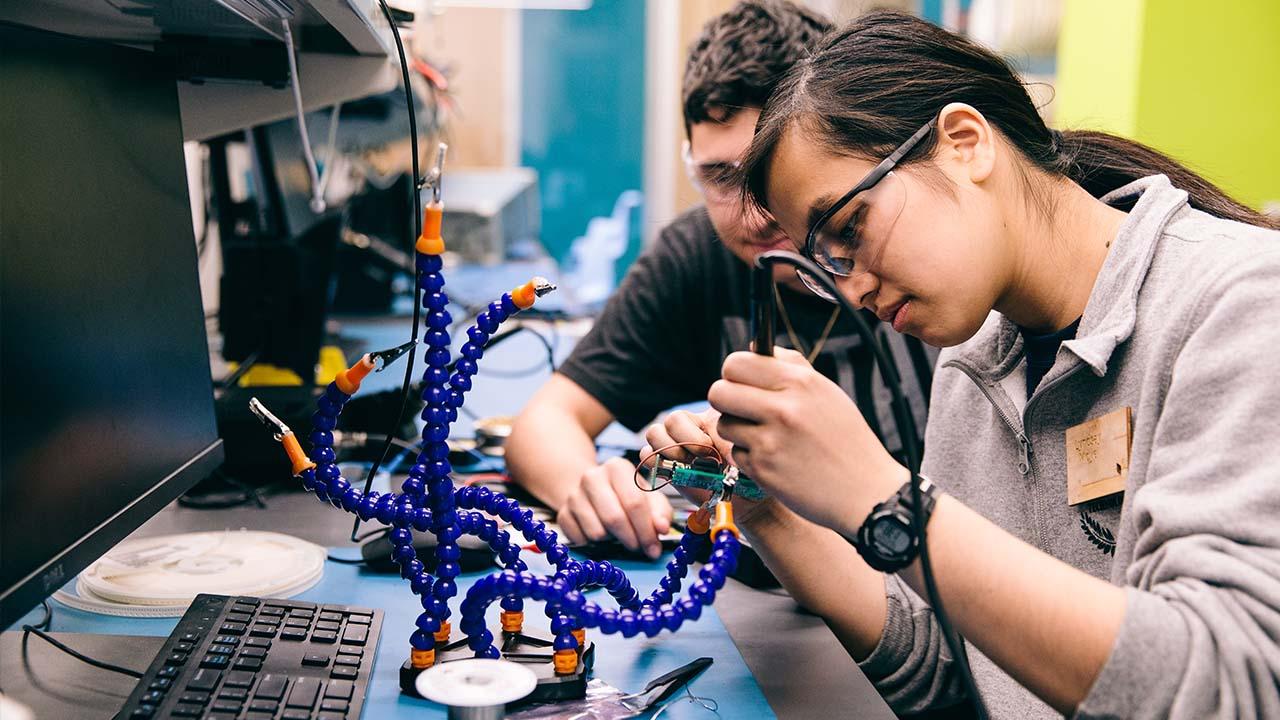
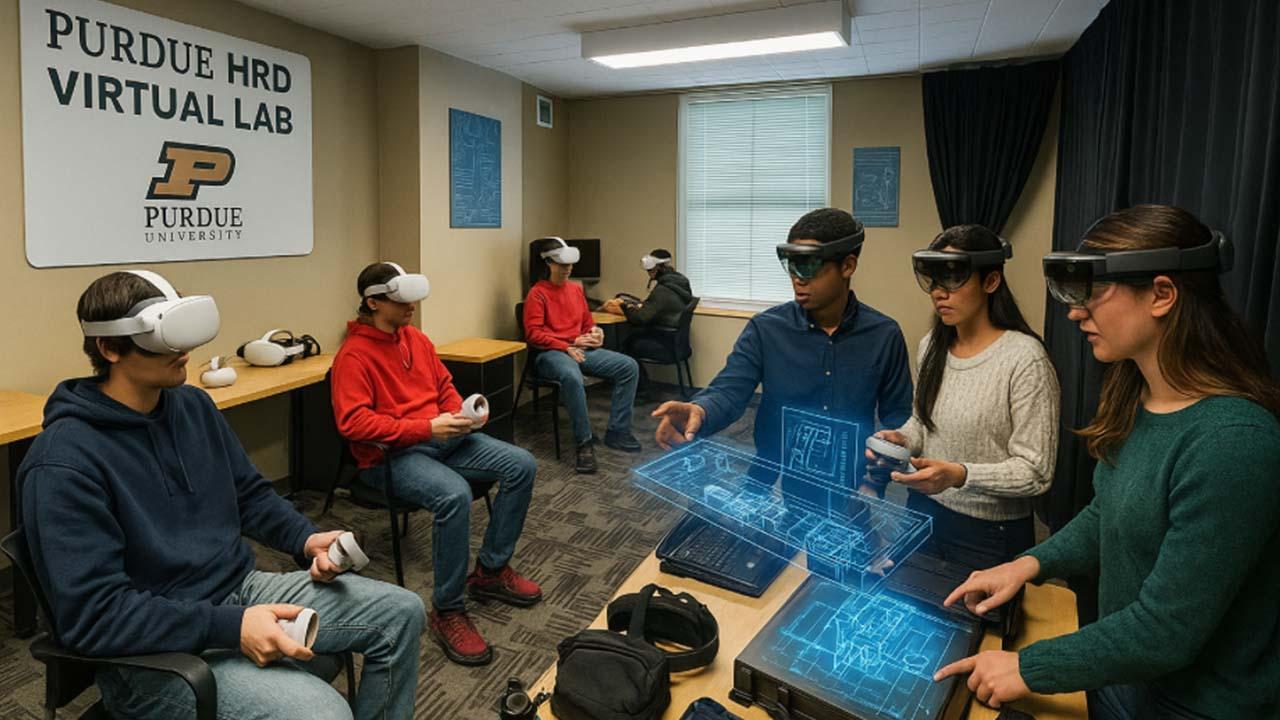
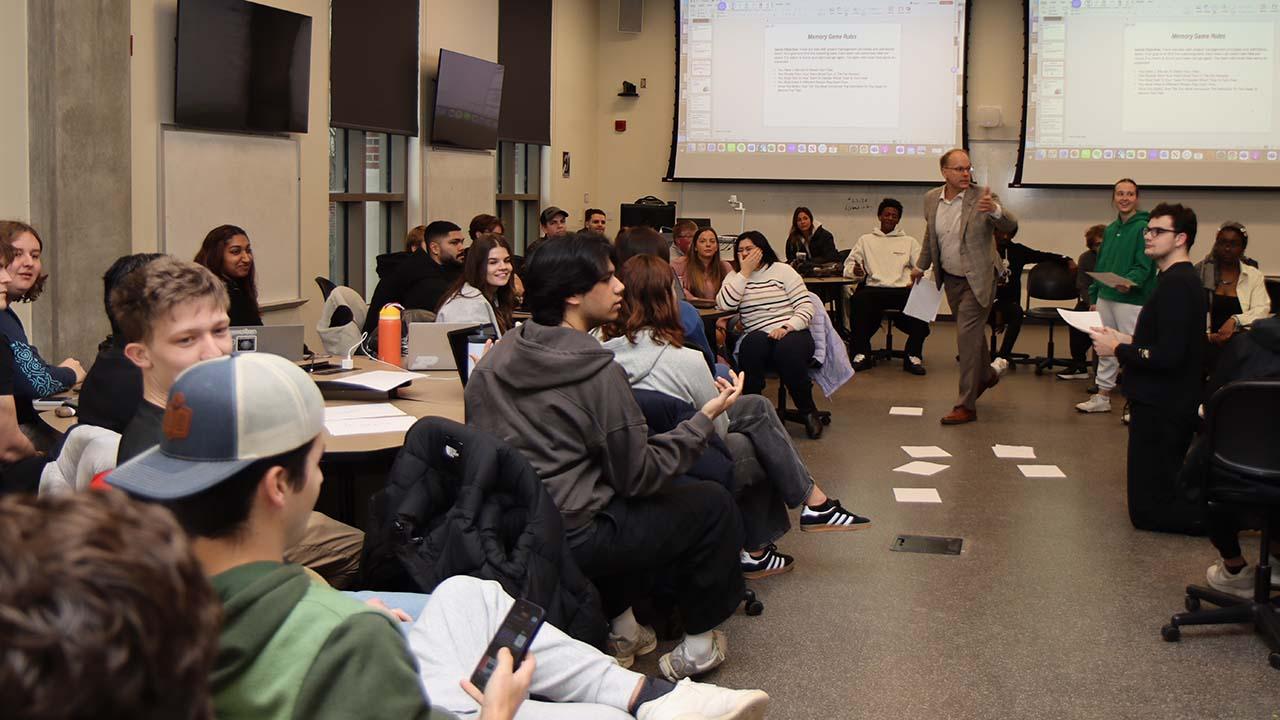
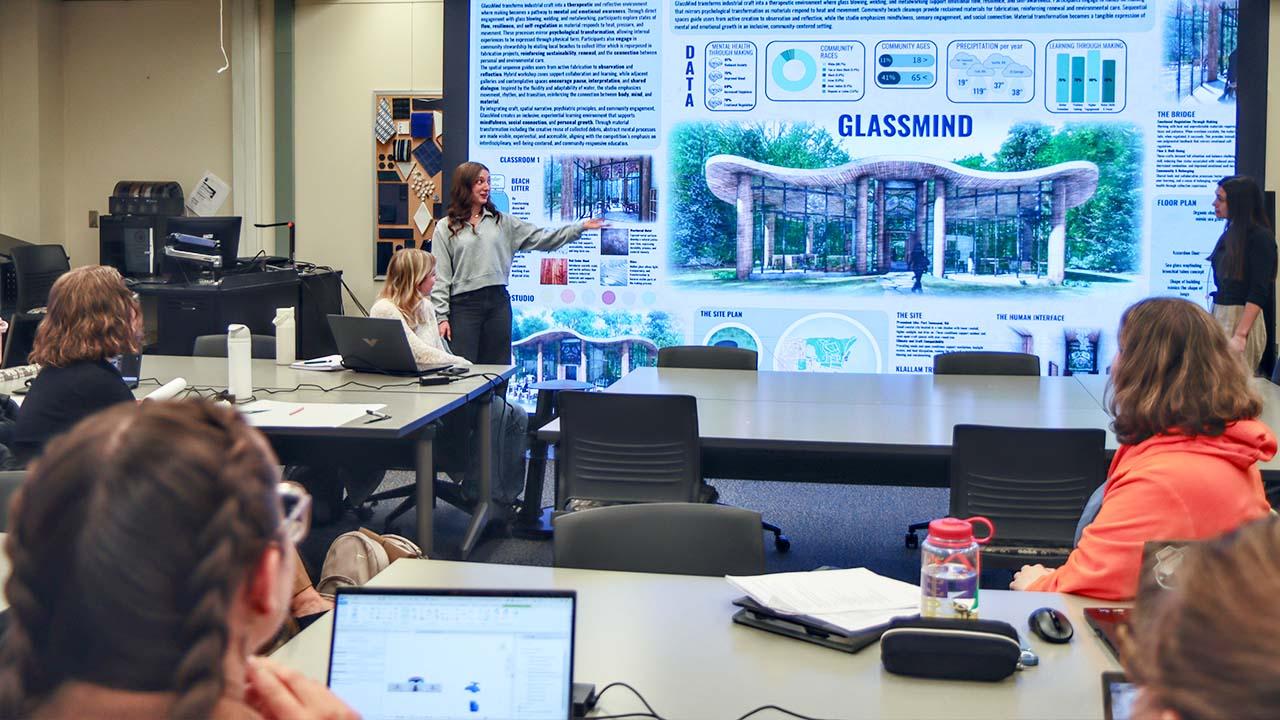
Hands-on learning, including industry-sponsored class projects and experiential learning — enhanced by a community of doers, makers, and problem-solvers.
EXPLORE OUR UNDERGRADUATE MAJORS
Looking for other academic options?
Upcoming Virtual Information Sessions

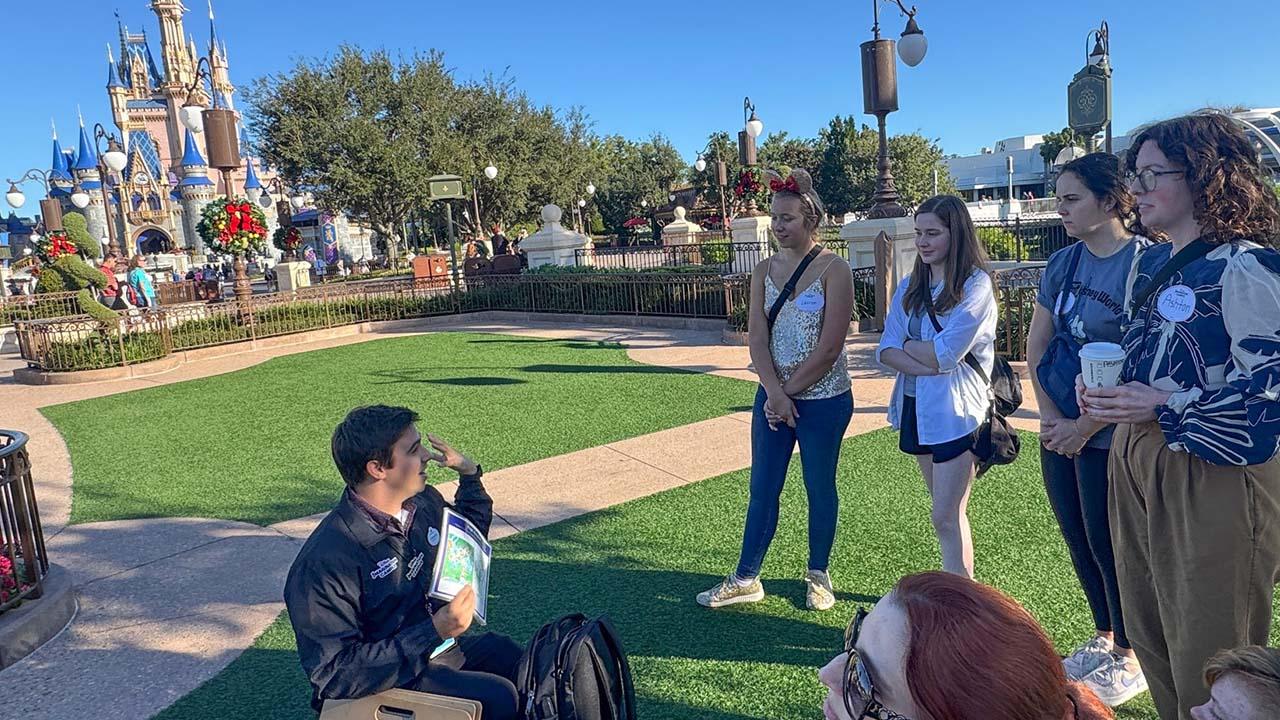
Looking for on-campus visit opportunities? Schedule a visit here!

Purdue showed me how to push past what I thought my limits were and to continue fighting for myself and my dreams. Even though I came into Purdue with no training in computers or cybersecurity, I had the ability to learn and become well versed in my major."

Purdue Polytechnic provided me with invaluable opportunities to explore leadership roles where I could effectively contribute to achieving organizational goals, empower my team to reach their full potential, and gain essential hands-on experience realistic industry settings, preparing me for a career in IT."

My time at Purdue gave me valuable real-world industry exposure through internships and interaction with aviation professions. My experiences gave me a better understanding of the working environment, and prepared me for the fast-paced, collaborative nature of the profession. "

I was able to take classes within my major and outside of my major, making me very well-rounded and prepared in the field of technology. I was constantly challenged, but I learned something new every day."

The NROTC program at Purdue prepared me to take on leadership roles and set me on a path to becoming a Naval Officer. Professors like Don Barnes and Corben Meyer inspired me to pursue my dreams and gave me the support I needed to reach them."

I would like to thank Toni Munguia, Harley Barta and Clark Cory, who all served as incredible mentors to me. Professors Luciana Debs and Bryan Hubbard also brought in so many real-world design examples that pushed me to grow and enhanced my understanding."

This degree prepared me for the industry, and there have been so many professors and individuals who have helped me achieve my goals. All of Construction Management’s staff, faculty, and support have made this happen for me!"

Purdue University is nationally recognized; my new employer is committed to hiring Purdue students because of our work ethic and academic rigor."

Purdue’s HRD program gave me a strong blend of people-focused and technology-driven skills. Applied learning and internships shaped my path into the tech industry, and today as a project manager at Cisco, I use those principles to develop teams and drive innovation."

What makes Purdue unique is that it pushes students to think practically while also preparing them to communicate professionally and lead in fast-paced environments. The faculty challenged me to think critically, work collaboratively, and hold myself to a high standard. On top of this, my professors helped connect classroom learning to the real construction industry."

The extensive amount of collaboration with my peers in the Polytechnic has given me the skills to communicate effectively and work well with other team members."

My professors, advisors and administrative staff were there to help me with any questions I had. They always made me feel welcome and even helped me navigate the world of interviews and job offers!
"

The Purdue name helped me extend my reach when applying to jobs. Companies recognize Purdue as a leader in education, producing skilled individuals. Through hands-on learning and industry professional access, I knew these experiences would set me apart and make me uniquely qualified for my new job."

The HRD program was carefully crafted to prepare graduates like me for all facets of the HR career field, and the subject matter was relevant to real-world working scenarios. I am excited to see this program produce more successful HR professionals in the future."

Purdue’s HR program prepared me for success—faculty support led to a Fortune 500 internship and my first full-time role, while the curriculum helped me pass my certification exam. Courses like Compensation and Employment Law built skills I use daily as a People Partner."

Purdue Polytechnic's hands-on labs and challenging coursework helped me build confidence in my skills. The rigorous environment prepared me for real-world IT challenges, especially in areas like risk assessments and security policy. My internships in IT risk, governance and compliance also helped me apply what I learned in class to real industry scenarios, setting me up for success at American Express."

UX degrees from Purdue give their students the necessary skills to be a well-rounded leader and peer by the time they walk across the graduation stage. UX is also very close-knit, meaning we have smaller class sizes, and I really enjoyed that because I got to know the people and professors in my classes. I got to see what other people were interested in and saw all that I could do with a UX degree."

My favorite class was cyber criminology with Dr. Kate, because I found the material so interesting. I could see myself focusing more on that in the future."

Throughout my time in Purdue Polytechnic, the idea of “hands-on experience” was emphasized constantly. Before gaining any industry experience, I did not fully appreciate how valuable that approach was. As I progressed through my internships and worked on real problems that affected real people, I saw how seamlessly the skills I learned in class translated into practice."

Mechanical Engineering Technology gave me the opportunity to learn engineering in a hands-on way that I understood, while still being properly challenged. I received the knowledge needed to do this job, while developing the social skills and other soft skills necessary both to work in a team and to lead."